The term "skin flute" is one of those phrases that can prompt a raised eyebrow or a chuckle, depending on the company and context. Far from being a straightforward description, it's a term layered with multiple meanings, ranging from the truly ancient and musical to the distinctly modern and colloquial. Understanding the nuances of "skin flute" requires a dive into both historical instrument craftsmanship and the playful, often crude, evolution of slang. This article aims to unpack both facets, providing clarity and insight into a term that is as intriguing as it is misunderstood. Whether you're a linguistic enthusiast or simply curious about unusual expressions, prepare to explore the curious journey of the skin flute.
The "Skin Flute" in the Realm of Music: A Rare Cultural Artifact
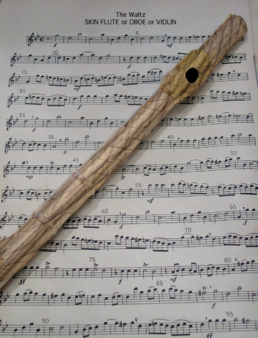
While the modern ear might instantly associate "skin flute" with its more infamous slang connotation, its origins are, surprisingly, rooted in the world of musical instruments. Historically, a "skin flute" referred to a type of wind instrument crafted from animal hide or leather. These were not the polished metal or precisely carved wooden flutes we commonly envision today but rather instruments born out of resourcefulness and necessity in various ancient and traditional cultures.
In eras long past, before advanced metallurgy or woodworking techniques were widespread, humans ingeniously fashioned tools and instruments from readily available natural materials. Animal skins, once cleaned and treated, offered a flexible yet durable medium. The concept of creating a wind instrument from such material likely involved stretching or shaping skin over a frame, or even creating a tube-like structure, to produce rudimentary tones when air was blown through it. These instruments were often integral to specific cultural rituals, ceremonies, or storytelling traditions, rather than for widespread popular music.
Imagine a community where every part of an animal was utilized, and its hide, after providing clothing or shelter, was repurposed to create an object capable of producing sound. This practicality underscores the initial meaning of the term. Such flutes are exceedingly rare today, often found only in ethnographic museums or preserved within isolated indigenous communities that maintain their ancient customs. Their existence speaks volumes about human creativity and adaptation, highlighting a period when musical innovation was tethered directly to the natural world. For a deeper look into this fascinating historical progression, explore From Ancient Instruments to Modern Slang: The Skin Flute's Journey.
Decoding the Slang "Skin Flute": Humor, Euphemism, and Pop Culture
Shifting gears dramatically, the term "skin flute" has, over time, largely shed its musical instrument identity in popular discourse and embraced a far more colloquial, and often humorous, meaning. Today, when most people encounter the phrase, it's understood as a slang term for the male genitalia, specifically the penis.
The origins of this slang usage are generally traced back to the early 20th century, emerging as a playful and somewhat crude euphemism. The analogy is quite straightforward, though undeniably risqué: "skin" refers to the flesh, and "flute" playfully suggests an object that is "blown into" or used in a manner vaguely reminiscent of playing a wind instrument. This creative, albeit suggestive, wordplay made it an instant hit in informal conversations and jokes among friends.
The appeal of such slang lies in its ability to discuss sensitive or taboo topics with a veil of humor, making them less direct and potentially less awkward. In many cultures, using euphemisms or humorous terms for private matters allows for a certain level of comfort and social lubrication. "Skin flute" exemplifies this, providing a lighthearted, if slightly crass, way to refer to the male anatomy without resorting to more clinical or overtly vulgar language. It's the kind of phrase that embodies the mischievous side of human language, turning a functional body part into an object of comedic wordplay.
The Evolution of Slang: From Taboo to Tongue-in-Cheek
The pervasive nature of the "skin flute" as slang is further solidified by its presence in various forms of pop culture. From stand-up comedy routines and adult-oriented cartoons to obscure movie references and internet memes, the term has found its niche. Its inclusion often aims for shock value, a cheap laugh, or as a subtle nod to those "in the know." This cultural adoption reflects how language adapts and evolves, incorporating new meanings and references that resonate with a contemporary audience. It's a testament to how humor can dismantle social barriers, allowing for discussions around topics that might otherwise be considered off-limits in polite conversation.
Understanding the historical backdrop of the phrase reveals more than just a crude joke; it illustrates how societies use language to navigate delicate subjects, often through the powerful and disarming tool of humor. This linguistic evolution highlights a continuous human tendency to create new words or repurpose existing ones to fit changing social dynamics and expressive needs.
Why Context is King: Navigating the Dual Meanings
Given its wildly divergent definitions, the importance of context cannot be overstated when encountering the term "skin flute." Without a clear understanding of the situation, speaker, and intent, one could easily misinterpret its meaning, leading to confusion, awkwardness, or even offense. The phrase serves as a prime example of polysemy, where a single word or phrase carries multiple distinct meanings.
Imagine overhearing a conversation where someone mentions a "skin flute." Your immediate interpretation would depend heavily on the surrounding dialogue. If the discussion is about ancient musical instruments, cultural heritage, or historical craftsmanship, it's highly probable the speaker refers to the animal-hide instrument. Conversely, if the conversation leans towards raunchy jokes, adult humor, or informal banter, the slang meaning is almost certainly intended.
Practical advice for discerning meaning:
- Listen to the immediate conversation: What are the surrounding topics? Is it academic, informal, or comedic?
- Consider the speaker: Who is saying it? Their usual vocabulary, tone, and relationship to the audience can offer clues.
- Observe the setting: A formal lecture on ethnography will yield a different interpretation than a casual chat among friends at a bar.
- Look for non-verbal cues: Body language, facial expressions, and reactions from others can often clarify ambiguity.
Misunderstandings arise when one applies a single, rigid definition to a term that is inherently flexible. Recognizing that "skin flute" has a legitimate, albeit rare, historical musical meaning, alongside its widespread slang usage, is crucial for accurate interpretation. It forces us to be more mindful of the dynamic nature of language and the role cultural and social cues play in communication. For further insights into the complexities of the term's journey and common misconceptions, delve into The Skin Flute: Origins, Misconceptions, and Why Context Matters.
Beyond the Buzzword: Insights into Language, Culture, and Communication
The dual life of the "skin flute" offers a fascinating microcosm of how language functions within human societies. It demonstrates several key aspects of linguistic evolution and cultural interaction:
- Resourcefulness of Early Language: The initial musical meaning highlights humanity's earliest attempts to harness natural resources for expressive purposes, including creating music.
- The Power of Analogy in Slang: The slang meaning showcases how metaphors and analogies, even crude ones, can effectively communicate complex ideas or refer to sensitive subjects in an indirect, often humorous, manner.
- Fluidity of Meaning: Words are not static entities. Their meanings can shift dramatically over time, influenced by cultural trends, social norms, and popular usage. The transformation of "skin flute" from an instrument to a euphemism is a compelling illustration of this linguistic fluidity.
- Role of Humor in Communication: Slang terms like "skin flute" often serve as a social lubricant, allowing individuals to engage with potentially uncomfortable topics without being overly explicit or violating perceived social decorum. Humor, in this sense, acts as a bridge.
- Contextual Dependence: The term underscores the absolute necessity of context in communication. Without it, even seemingly simple phrases can lead to profound misunderstandings.
Analyzing terms like "skin flute" provides more than just a linguistic curiosity; it offers insights into cultural values, the human tendency towards playful expression, and the ever-evolving nature of communication. It reminds us that language is a living entity, constantly adapting, acquiring new layers of meaning, and reflecting the diverse experiences of its users.
In conclusion, the phrase "skin flute" is a testament to the dynamic and multifaceted nature of language. Far from being a simple, singular concept, it encompasses two distinct meanings: a rare, historically significant musical instrument crafted from animal hide, and a widespread, humorous slang term for male genitalia. Navigating these disparate interpretations hinges entirely on the context in which the term is used. By understanding its ancient roots and its modern, playful evolution, we gain a deeper appreciation for the rich tapestry of human communication, where history, humor, and cultural nuance constantly intertwine to shape the words we speak.